“I love a sunburnt country, a land of weeping plains, of ragged mountain ranges, of droughts and flooding rains”
Dorothea McKeller penned this sweeping epic about the Australia’s characteristically ‘sunburnt’ landscape. It tells of the land’s rugged countryside, dry dusty roads and temperamental weather. Yet much has changed since she wrote this national treasure in the early 20th century. Australia’s frontier has since become much wilder, with deadly consequences.
The Nation’s Worst Fire
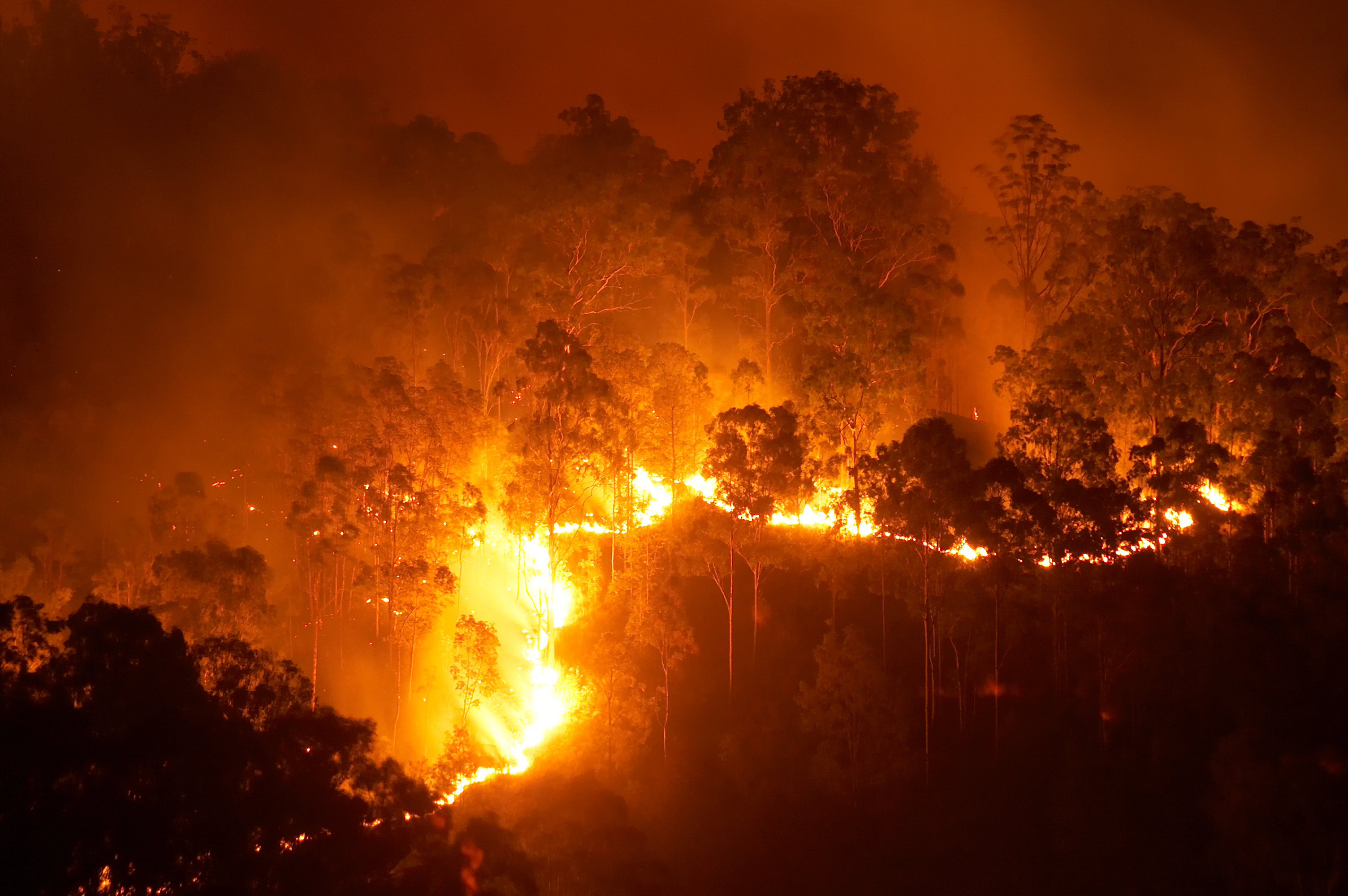
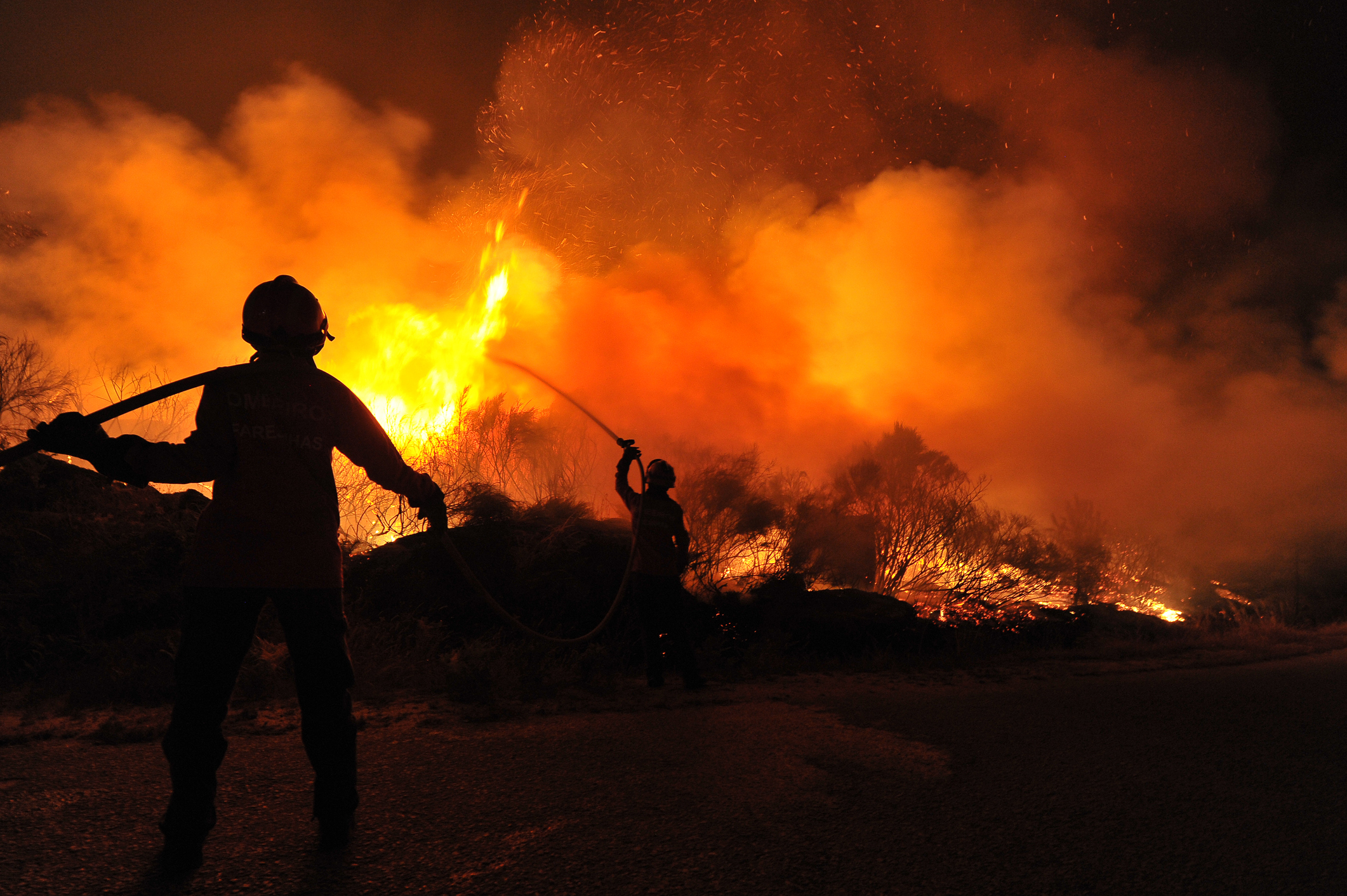
On February 7th 2009, the nation was on high alert as bushfires ravaged the east coast from New South Wales all the way down to Victoria. 1,100,000 acres of land were brutally scorched while 173 individuals lost their lives. Many more lost their homes. The amount of animal causalities was even more exorbitant, with the destruction of every ecosystem caught in the direction of the fiery juggernaut. Livestock perished, and the effort taken to rebuild communities fortunate enough to escape death’s choke hold have still struggled to revert to their former lifestyles. Events like “Black Friday” aren’t considered isolated events amongst local Australians. Bushfires are a harsh reality that still loom in public consciousness very summer. Radios are kept on in case of fire bans, and backyard BBQ’s are always well organized to avoid any chance of disaster.
What Causes Bushfires?
Australia, in comparison to its Australasian neighbors, is an extremely dry country. Whilst it’s arid land and drought prone locales have always been dry, climate change has seen the country suffer under fluctuating weather patterns as well as more intense water shortages. Bush fires occur at the end of hot summers when surrounding bushland is exceptionally dry. If the temperature reaches 40 C and lightning strikes, a full force fire can ignite, growing into a deadly sea of flames, consuming everything in its path. Many bush fires occur around Victoria State’s most eastern portion which is heavily forested. Furthermore, 2018-2019 has seen the hottest southern hemisphere summer ever recorded in Australia.
Australia has suffered no less than 4,595 recorded bushfires in 2013, as caught by NASA satellites. Clearly, bushfires are national threat to safety and public welfare, but what is being done to curb these alarming statistics?
Fire Bans:
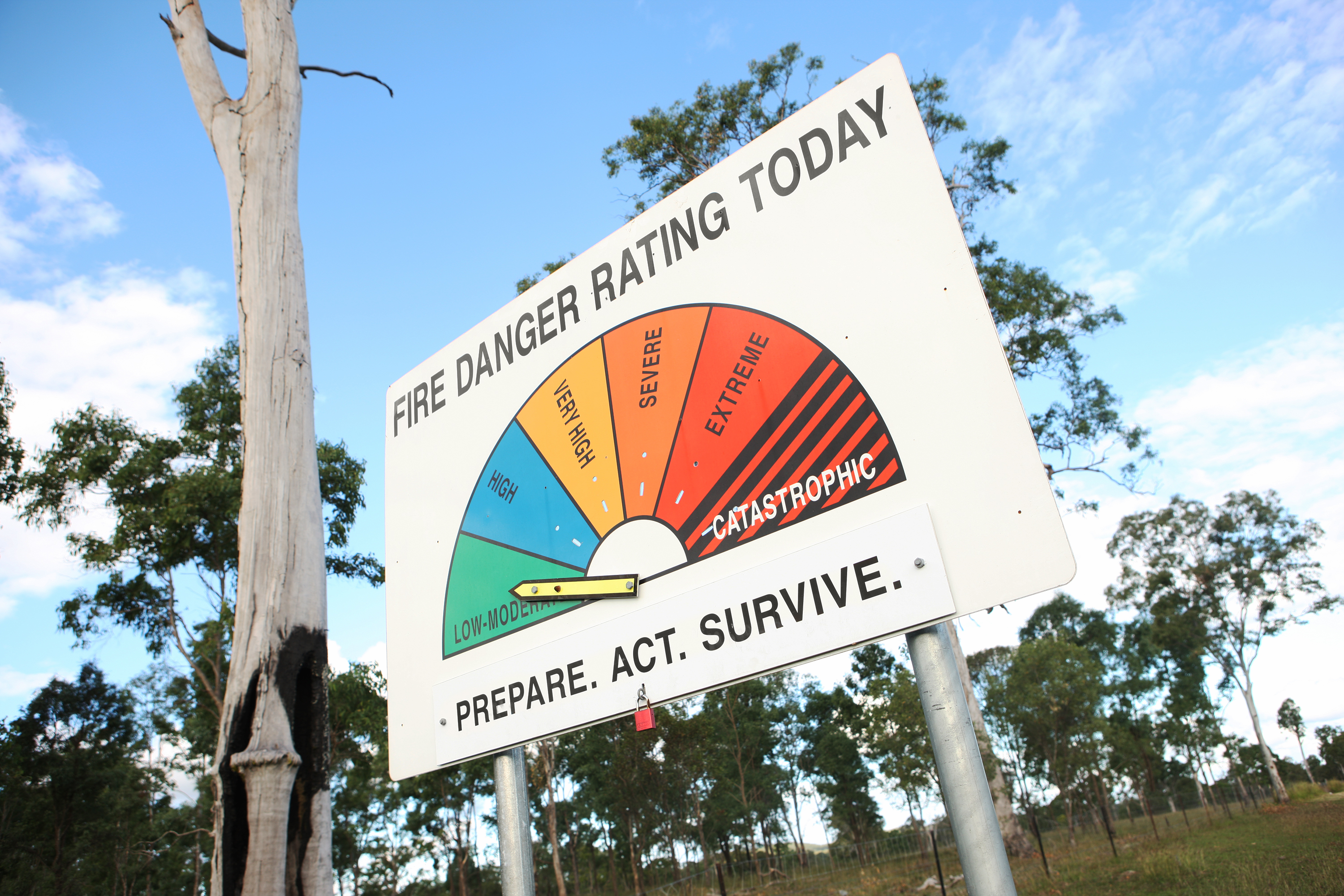
As mentioned prior, local governments are implementing more and more bans across the nation during times of volatility. Country fire authorities maintain a tight watch on vulnerable locations, ascertaining the likelihood for bushfires to occur and in turn, placing prohibitions on certain activities that may prove cataclysmic.
Bans range from hindering local BBQs to stopping local traffic travelling to susceptible spots.
At any given time, you may hear authorities broadcasting on local radio stations, urging the public to avoid outdoor fires or worse, warning them to evacuate due to nearing flames.
No matter the caveat, Australians always keep a radio nearby to stay informed
Climate Change Action:
While secondary measures such as the above do assist in hindering the negative impact of bushfires, they by no means stop them from occurring. Herein lies the biggest hindrance to stopping them in their tracks; Government inaction on climate change.
Dr. Andrew Dowdy, senior research scientist at BoM, stated on SBS News, “Our research has shown that these trends are attributable at least in part to human-caused climate change from greenhouse gas emissions, including due to increased temperatures.”
In recent weeks, protestors have marched on parliament, demanding more action in regard to issues of climate change and sustainability. Many of these protestors have been survivors of the bushfires. Survivors who haven’t just lost their homes, but even the lives of their loved ones. These are individuals who have faced the reality of climate change head on and are demanding a safer future for the planet and generations ahead of them.
The public sentiment is that the government isn’t taking this genuine threat more seriously. Despite the richness of research showing that climate change is a reality with deleterious consequences, little is being done in the way of mitigating its damage on the planet.
In Conclusion:
If improvements are to occur within Australia, more needs to be done in improving climate change conditions the world over. Government bodies need to be held accountable for regulating corporate practices as well as implementing cultural practices the public can execute. Subsidies and educational programs are a great means of empowering the community to make small changes that have a big impact on the planet.
While more is being done in light of past tragedies, many are worried that more lives may be lost before regulatory bodies take serious action. We hope that McKeller’s most poignant stanza doesn’t occur as a result of our hubris.
“Core of my heart, my country! Land of the rainbow gold, For flood and fire and famine She pays us back threefold.”
Nadia DW is an environmental advocate and holds a double degree (Bachelors of Law/Arts) from Monash University. She currently works as an advertising creative in Melbourne, Australia.
By Peter Hudson and Kaitlyn Baker
| Photos by Peter Hudson, Amith Krish, Dr Noushad Ali, Hermis Haridas, Deepa Girish, Aminlal Ami, Nikhil Singh, Anidas, Aghil K K, and Nisha Purushothaman
By Peter Hudson and Kaitlyn Baker
| Photos by Aarav Rasquinha, Anil T Prabhakar, Imadeddin Alaeddin, Michael Jansen, Viji Abraham, Nirav Modi, Noushad Ali, Peter Hudson, Kaitlyn Baker & Nisha Purushothaman
By Peter Hudson
| Photos by Peter Hudson, Muhammed Asharaf Kariyil, Deepa Girish, Gopala Krishnan, Shyam Menon, Kalika Shah, Sajeev Kumar Krishnan, Girish Gopinath Dr.K.M.Anand, and Nisha Purushothaman,
By Peter Hudson with Mary Fick
| Photos by Deepa Girish, Peter Hudson, Hermis Haridas, Syed Ahmar Amjad, Chintan Gohel, Kalika Shah, Sajeev KTDA, Sibin Nelson, Solomon Rajkumar, and Nisha Puruhothaman
By Amanda Monahan with Dr. Peter Hudson
| Photos by Peter Hudson, Amanda Monaha, Amith Krish, Seema Suresh, Ish Modha, Avinash Rajendran, Indresh Saluja, Jeevan, Kamal Varma, Shreya Patel, Madhur, and Nisha Puruhothaman