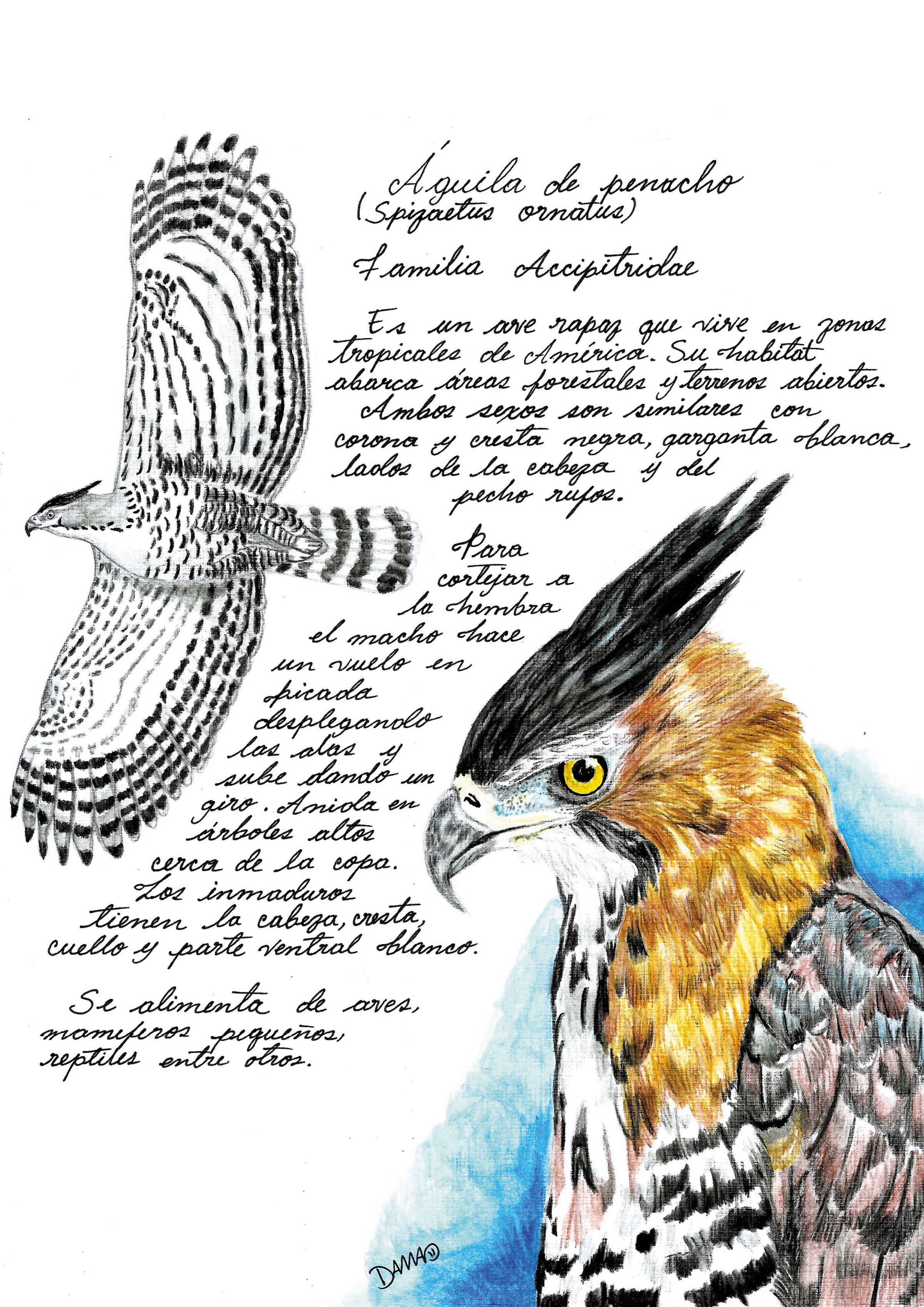
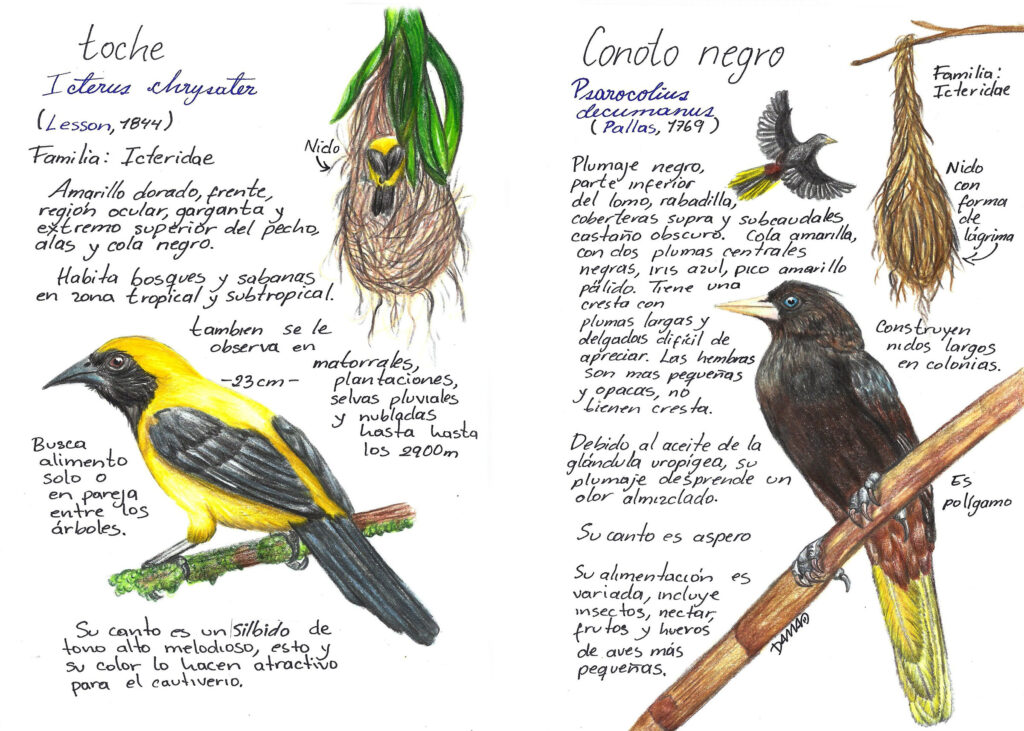
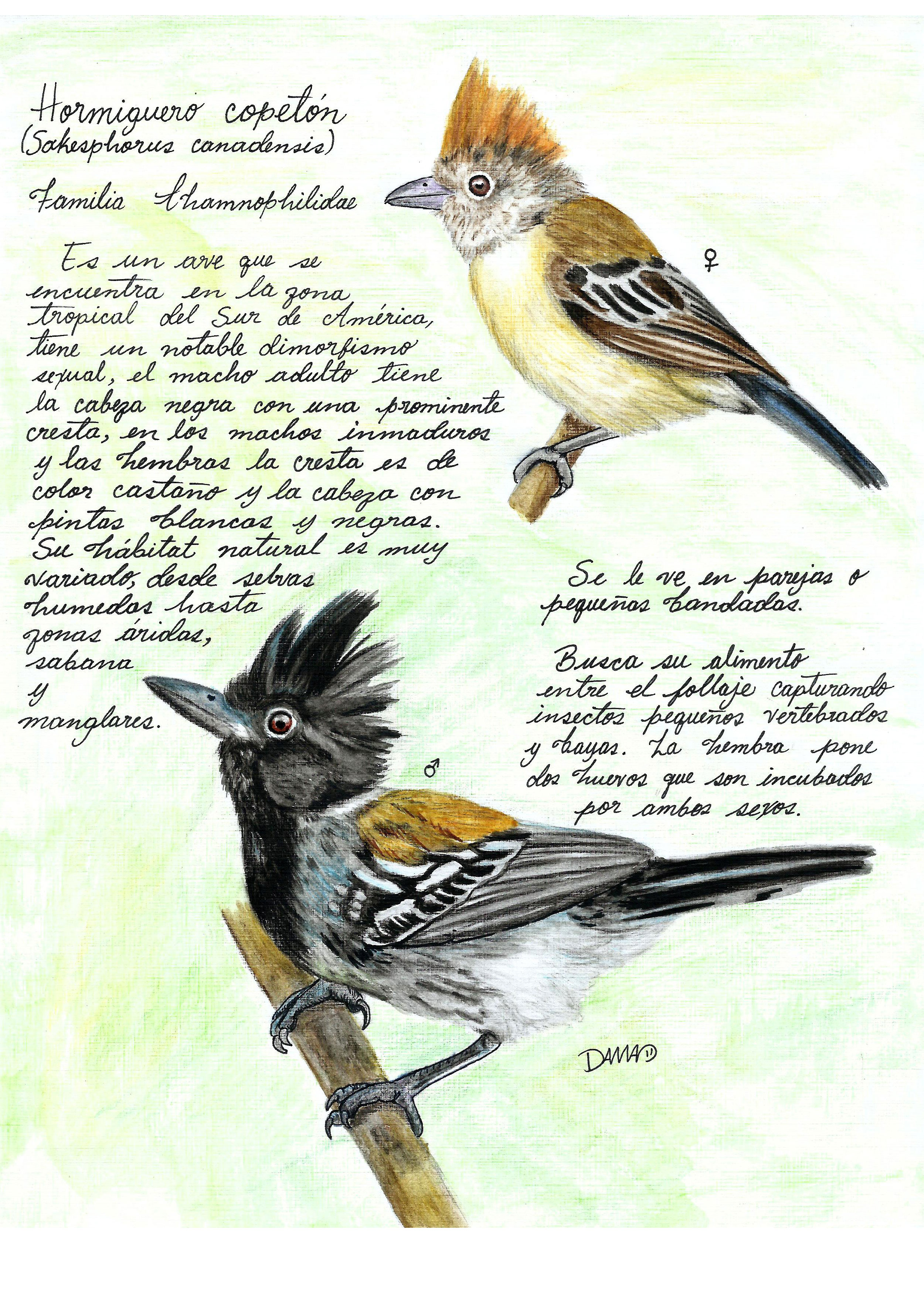
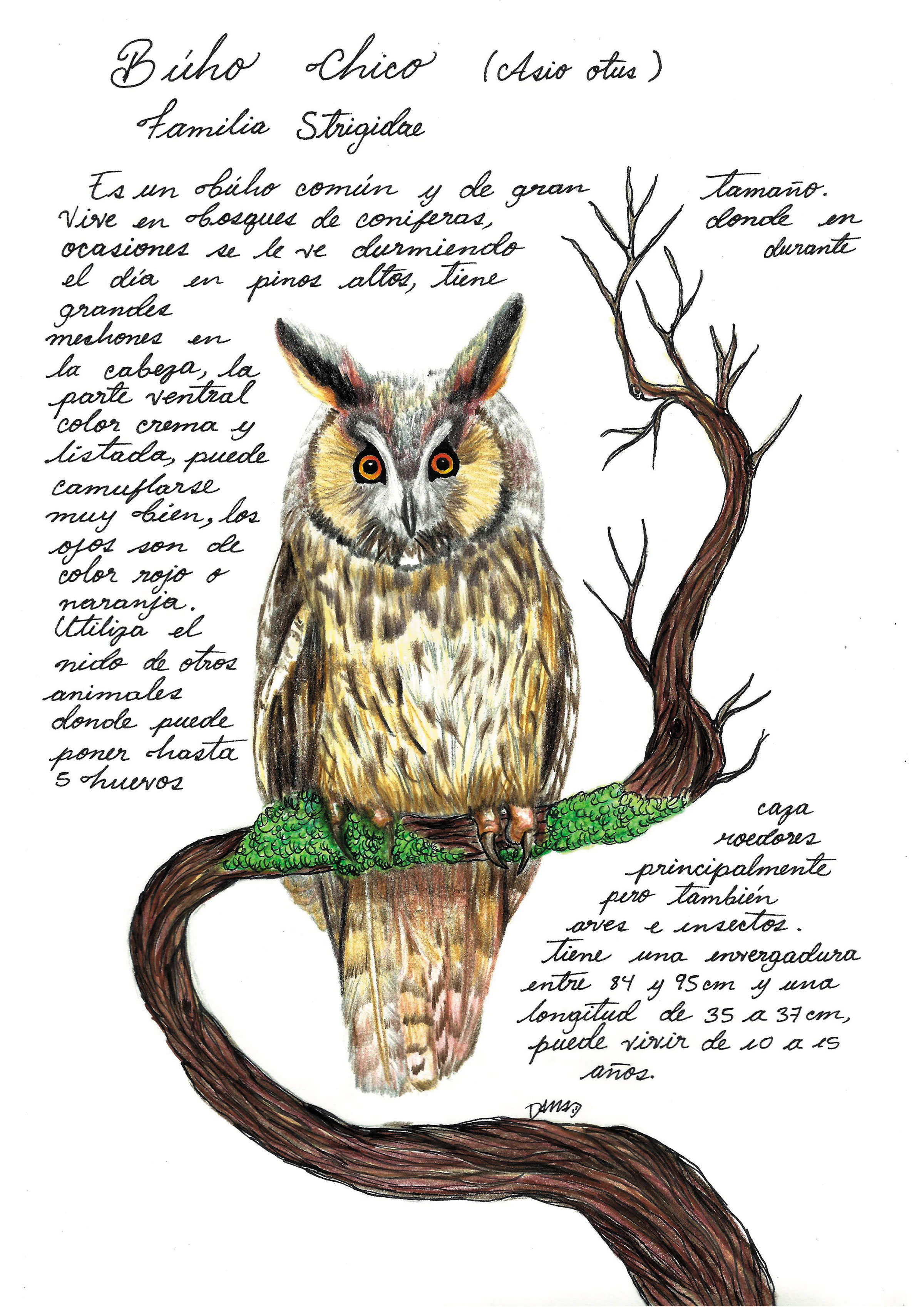
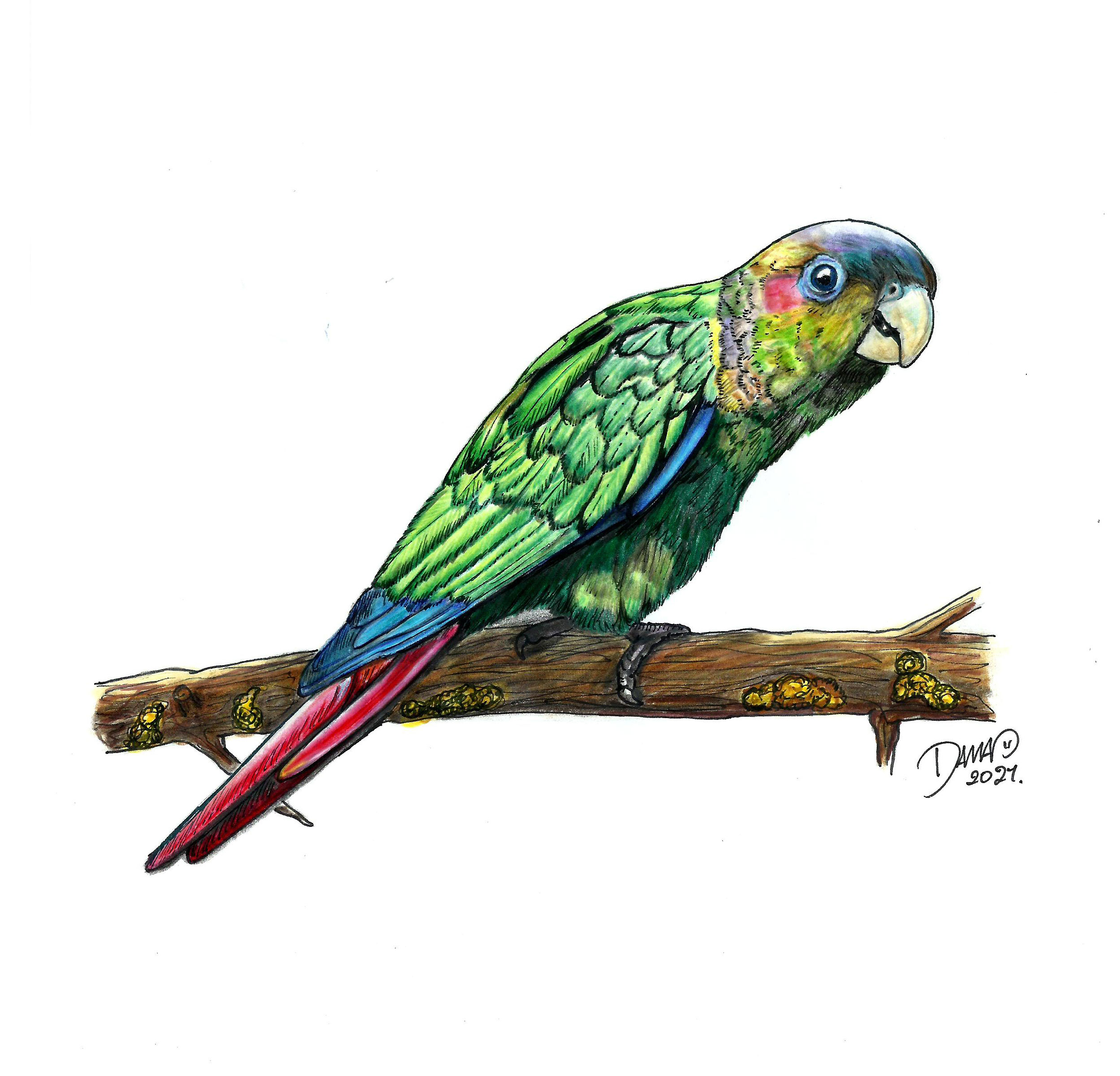
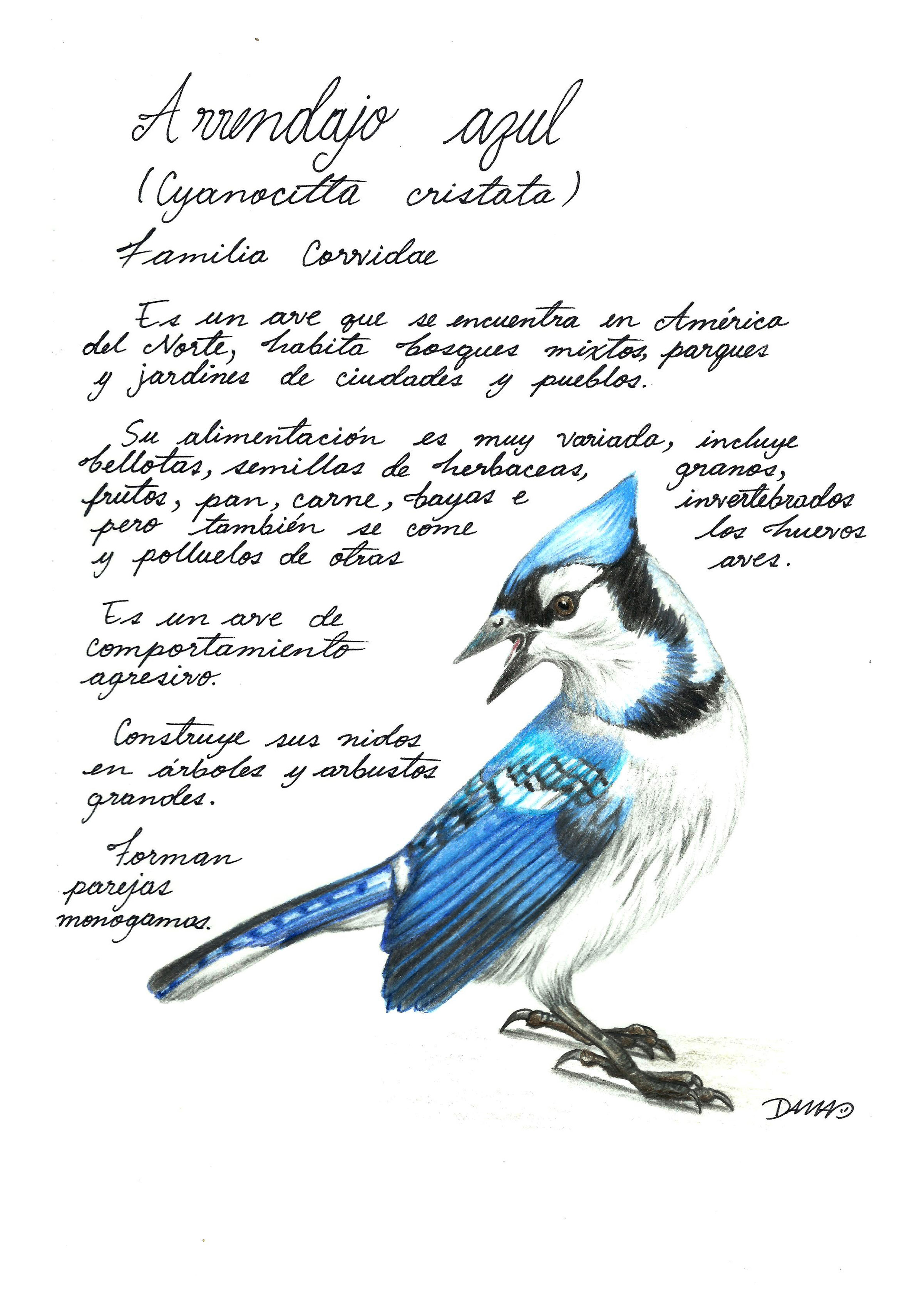
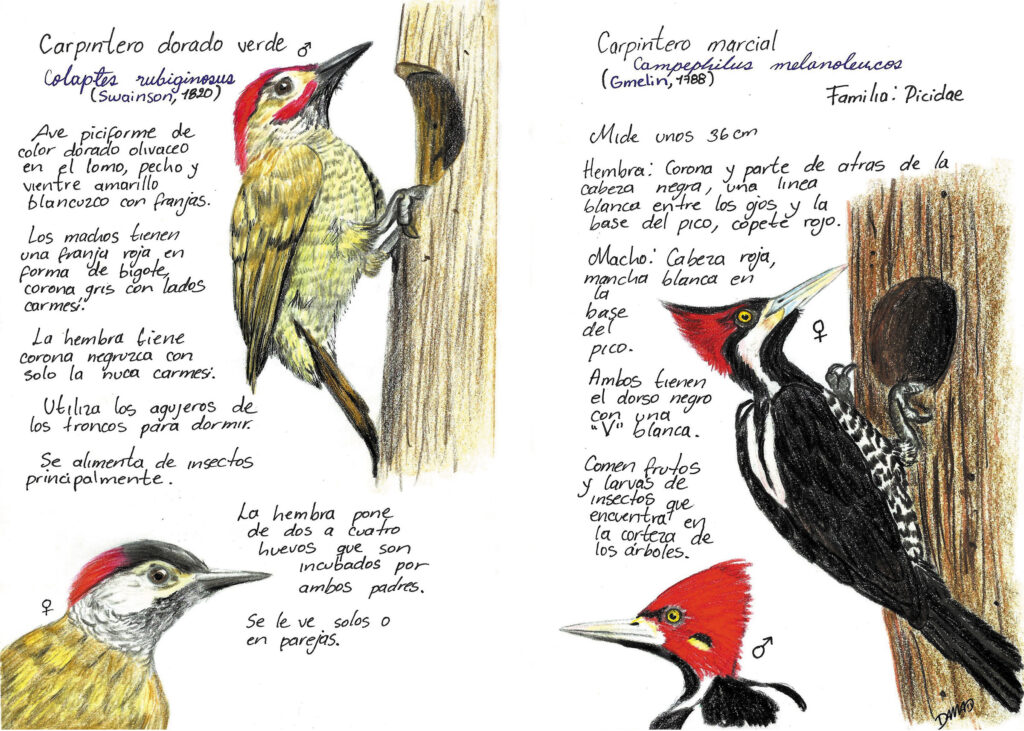
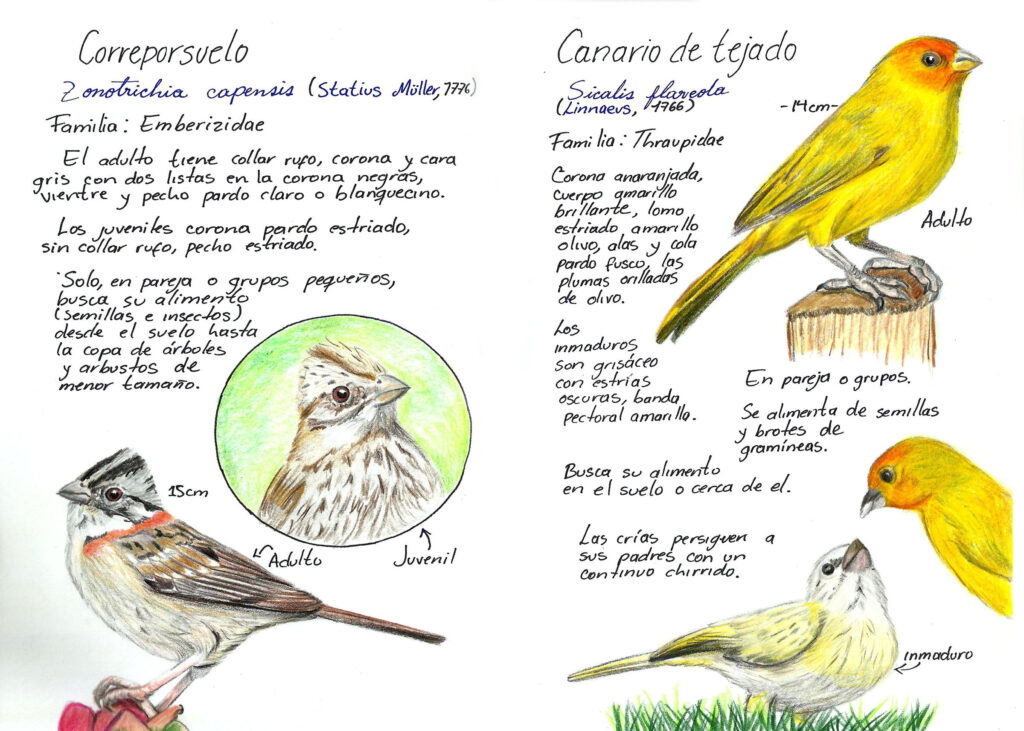
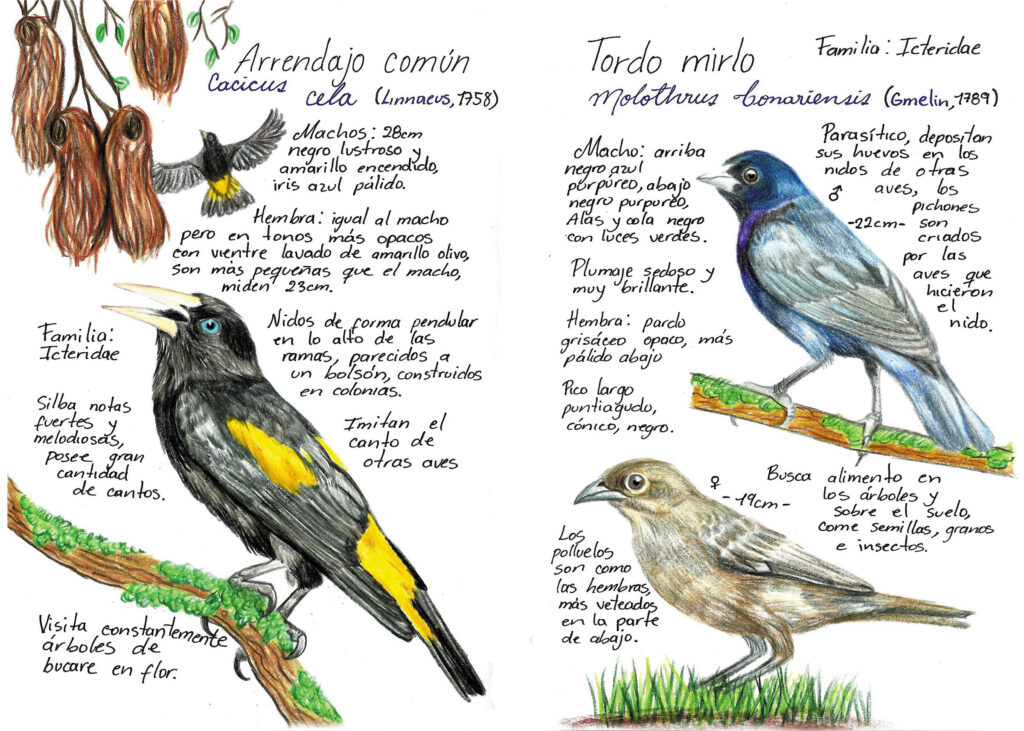
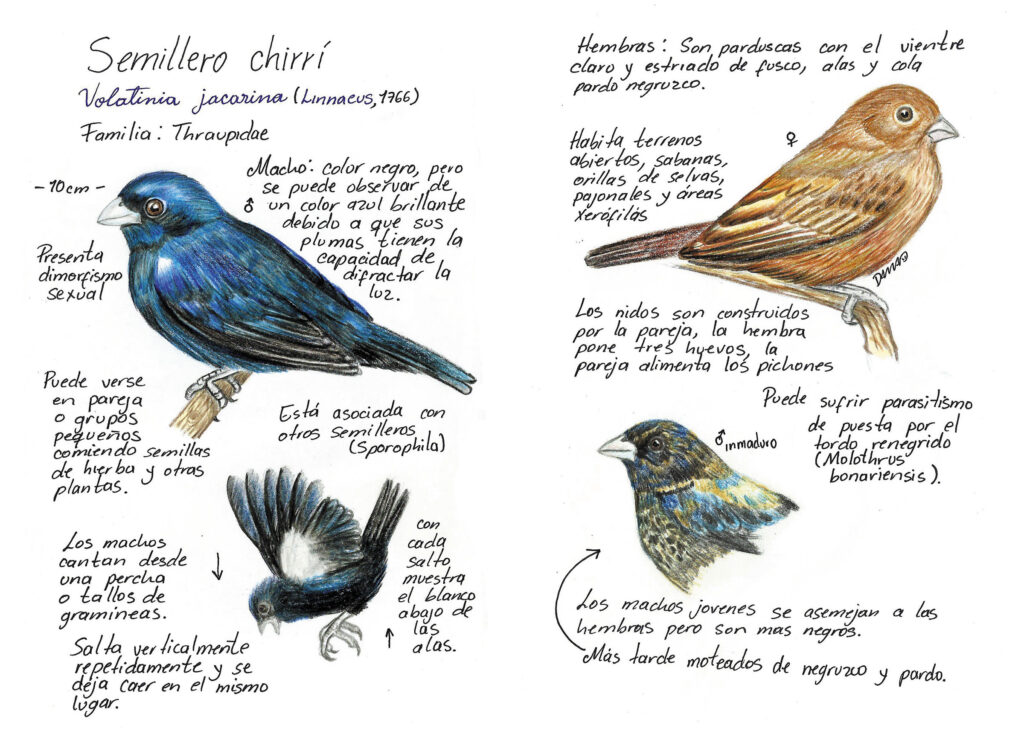
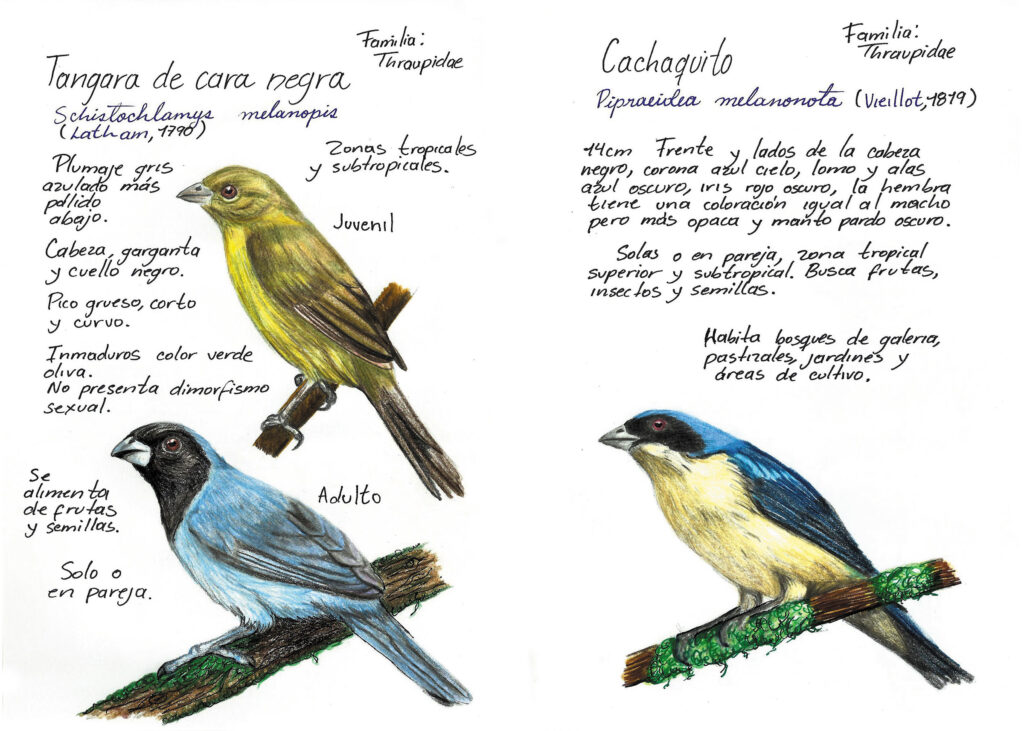
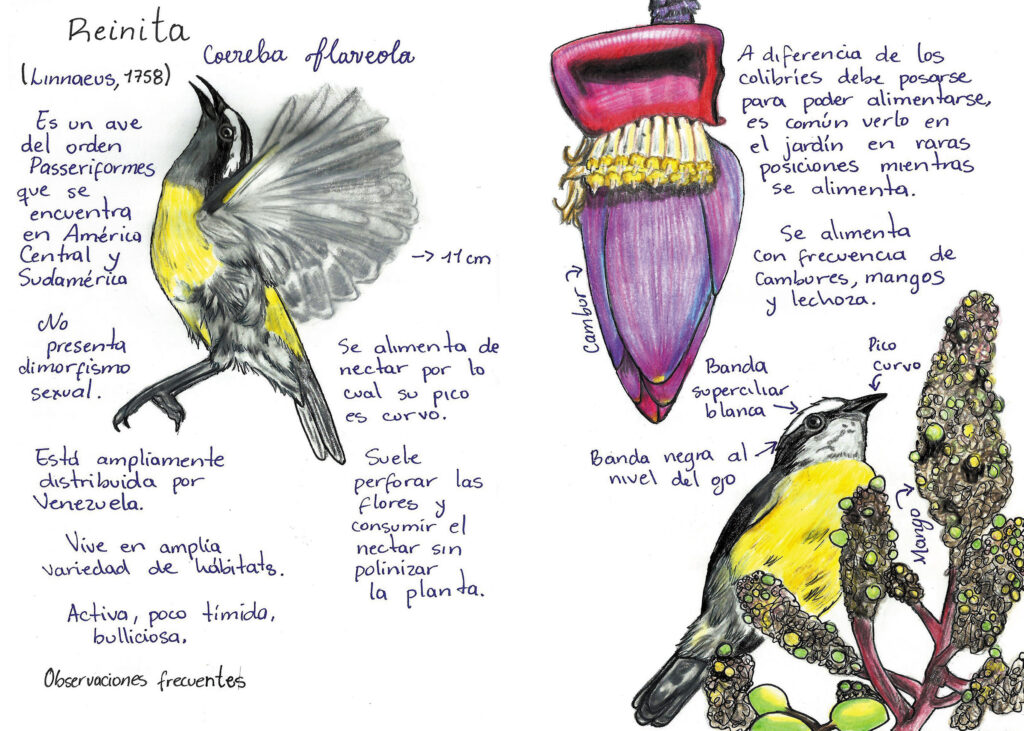
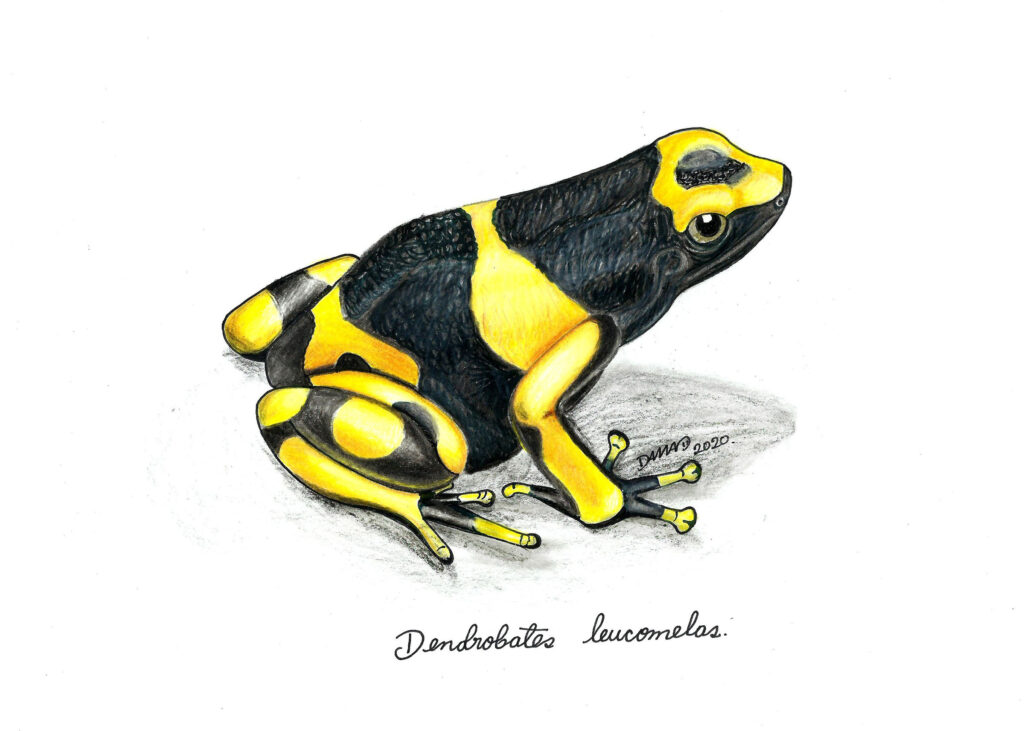
Some people find their love for nature over the years and others are born with the feeling, the latter is my case. Since I can remember I feel very attracted to learn about nature, curiosity has been my life guide. I grew up in a small town in the Venezuelan Andes, with height variations between 1100 and 1500 meters above sea level, growing up in a place so blessed by nature and not loving it is impossible. When I was just a little seven years old, I made my first conscious explorations, I remember a small observation list that included an ant, a grasshopper, a snail, butterflies, colored birds, an earthworm, a beetle and dragonflies. Not only did he make these lists, he also looked at the types of leaves, the shapes of flowers, and different types of rock. I could say that this was the beginning of a great adventure. Growing up in the Venezuelan Andes helps a lot to nature lover to continue falling in love and getting more and more involved, this wonderful world is the perfect playground for a naturalist, every day something new and impressive happens, every day a surprise.
My first drawings and texts were just copies of a school encyclopedia that talked about the birds of North America, I still have as a precious treasure these texts that talk about the Long-eared Owl (Asio otus), the Blue Jay (Cyanocitta cristata) and the Trumpeter Swan (Cygnus buccinators). Reading was also a fundamental part of my life, this increased my curiosity and the desire to continue learning about the world that opened before my eyes as the most exciting thing. The influence on the natural world can be important for a child from the first years of life. My favorite books were the illustrated ones, those that told me about the Jurassic world, birds, marine animals, insects and minerals. I felt like an explorer and imagined the incredible secrets that nature kept waiting to be discovered.
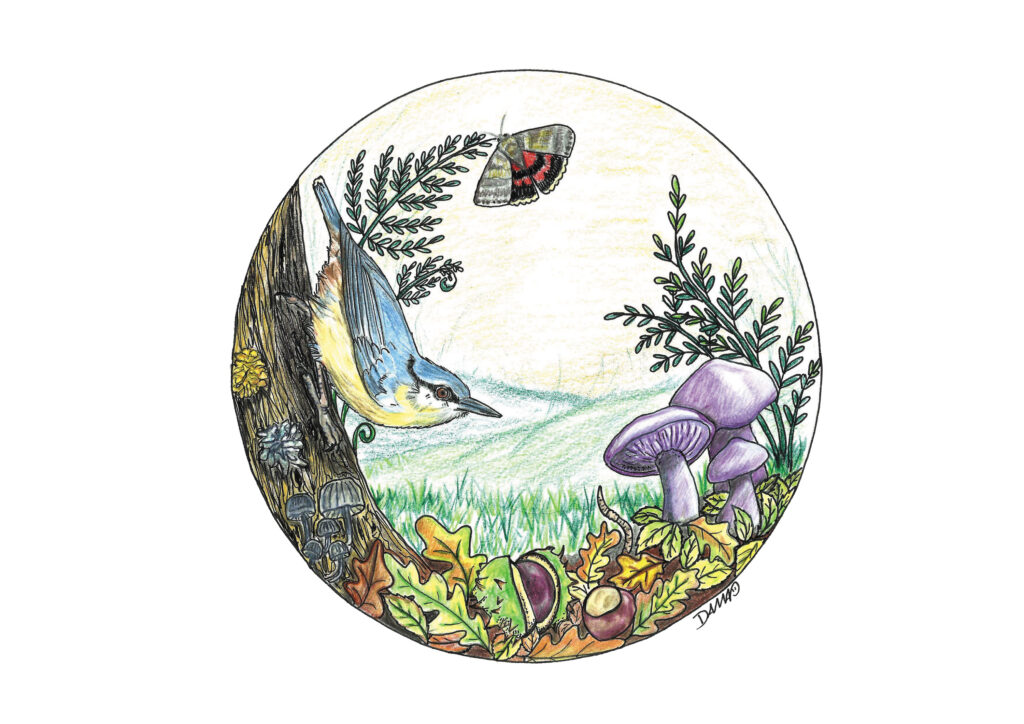
I started in the art world in my university days when I had to move to the city, spray paint murals welcomed me to this wonderful world, painting these murals opened my mind to all kinds of possibilities in art techniques, it made me think that if I managed to master the spray I would also do it with other techniques, I made sketches with colored pencils and fell in love with them, now being the main technique I use today. The world of graffiti was fleeting for economic reasons, starting the economic crisis in my country I could no longer afford my paintings, that’s how I stayed with my colored pencil sketches, these being less expensive and more durable when it comes to materials.
The drawing came and went, with the passing of the years it was no longer so constant. In the year 2020, the disheartening news that the Covid19 virus had arrived in the country changed this completely, being in confinement and physical distancing, the drawing became my refuge again, I dedicated myself fully to making my naturalistic diaries, organizing species and beginning to put everything on paper. My idea was to keep records of the species in my town of all kinds of living organisms.
The small Andean town continues to be my place of exploration, located in the state of Trujillo, a little explored area with much to discover, it represents a great challenge when it comes to identifying species, I try to use everything I have available for information, magazines, a few books and people with more experience in the world of science are my main sources. I also use support pages like inaturalist and ebird for taxonomy. Being a naturalist in Venezuela is a great challenge, due to the high cost of materials for research, I manage with what I have at hand not to stop my project, having a goal and motivation you become unstoppable.
My first job as a naturalist illustrator was to do the illustrations for the book “Somos la vida de la finca Vista Linda”, together with Alberto Blanco Dávila and Evelin Villarreal, we are the authors. The trust placed in that first work is very important for a naturalist illustrator, something that I greatly appreciate Explora editions. In this first job I took my talent to limits that I had not imagined, leaving aside my comfort zone I was able to discover that I could take it a step further, it is not always comfortable to paint what they ask of you, I could stay painting what I like the most or what is less difficult for me, but I like challenges, so we are moving forward, learning and discovering what we are capable of doing.
My gain, more than monetary, is in experiences, “When you love what you do you will never have to work”. I feel very lucky to do what I like, in a world where many go to work bored and tired, I am all the time painting, researching, exploring, treking in mountains, foggy forests, tropical jungles and bushes, office work is not for me, without nature there is no Damaris.
I currently carry three field notebooks, the sketchbook, a birding notebook and my field notebook for species in general of almost all the biological kingdoms that I can find in my area, my work with the count of bird species is almost finished, that’s why I’m finishing the birding notebook first, the goal is, once the notebook is finished, to share it with the world, what good is the knowledge and talent to draw if it is not shared? And this is also the reason for creating my instagram account Diario de una naturalista. Learn and share, stimulate curiosity and inspire so that you too are encouraged to write and draw in a field notebook or naturalistic journal.
If you ask me about favorites, be it the natural kingdom, species or ecosystems, it would be very difficult for me to answer those questions, I really enjoy everything, every piece of nature is perfect for me, how difficult to try to do justice to such perfection with a humble drawing, I do my best, the love I feel is reflected in every page of my notebooks and in every naturalist work I did and will do.
I have had several exciting moments when I am exploring, I do not like to go in search of a particular species, I like to let myself be surprised by nature, I specially remember the day I first saw a bird called the Wire-tailed Manakin (Pipra filicauda), I was taking a walk near the coffee plantations when this little bird with bright colors appears on the side of the road, that magical moment in which you don’t know what to do and don’t want to move so as not to scare the bird is tremendously comforting, the Greater Ferret (Eira barbara) is another species that I also loved seeing in the bush, climbing a tree or running through the bushes, my meeting on the road that leads to the city with a Swallower (Boa constrictor) will be unforgettable, it is the second time that I saw her but the first time that I observed her with the eyes of a naturalist, the return to the wild of a Fox cub (Cerdocyon thous) that had been removed from its home by children who innocently thought taking it home would be a good idea, the little fox calls immediately alerted the mother who luckily was nearby and was reunited with him and finally a beautiful bush of a very significant tree for my people, sadly I did not see it in my town but it was the second time I saw it, it is a (Weinmannia sp) this tree called sae or say is the one that gives the ending to the name of my town Siquisay.
My most precious treasure is a tree (Ficus sp) next to my house, a true magnet for birds, when it is in fruiting season. It is also the support for a vine that when it bears fruit ends up being another magnet, the ficus tree attracts numerous species, including a large number of migratory birds, thanks to this tree I was able to observe first-hand the Baltimore Oriole (Icterus galbula), Blackburnian Warbler (Setophaga fusca), American Redstart (Setophaga ruticilla), Bay-breasted Warbler (Setophaga castanea) among other species, and without a doubt one of the most important birds in the Wire-tailed Manakin (Pipra filicauda) being the second time I see it, although it is not a migratory bird, it is a great gift of nature to be able to observe it close to home.
I studied agronomic engineering, and that has given me the keys to my work as a naturalist, university studies are fundamental to help us on the road to travel while we investigate, it doesn’t matter if you didn’t study biology, just some career to finish, or passion and love for nature, you just need the greatest amount of knowledge you can acquire in your life, everything will serve you in the wide world of research since we do not stop studying and preparing ourselves every day.
For all the people who want to start doing naturalistic illustration, it only remains to tell them to please dare, it does not matter if at first your drawings are not what you imagined, time is the best teacher, with a of practice and perseverance you will be able to become the artist you always dreamed of, but the main formula to achieve it is love, love for what is done and love for nature.
By Peter Hudson and Kaitlyn Baker
| Photos by Peter Hudson, Amith Krish, Dr Noushad Ali, Hermis Haridas, Deepa Girish, Aminlal Ami, Nikhil Singh, Anidas, Aghil K K, and Nisha Purushothaman
By Peter Hudson and Kaitlyn Baker
| Photos by Aarav Rasquinha, Anil T Prabhakar, Imadeddin Alaeddin, Michael Jansen, Viji Abraham, Nirav Modi, Noushad Ali, Peter Hudson, Kaitlyn Baker & Nisha Purushothaman
By Peter Hudson
| Photos by Peter Hudson, Muhammed Asharaf Kariyil, Deepa Girish, Gopala Krishnan, Shyam Menon, Kalika Shah, Sajeev Kumar Krishnan, Girish Gopinath Dr.K.M.Anand, and Nisha Purushothaman,
By Peter Hudson with Mary Fick
| Photos by Deepa Girish, Peter Hudson, Hermis Haridas, Syed Ahmar Amjad, Chintan Gohel, Kalika Shah, Sajeev KTDA, Sibin Nelson, Solomon Rajkumar, and Nisha Puruhothaman
By Amanda Monahan with Dr. Peter Hudson
| Photos by Peter Hudson, Amanda Monaha, Amith Krish, Seema Suresh, Ish Modha, Avinash Rajendran, Indresh Saluja, Jeevan, Kamal Varma, Shreya Patel, Madhur, and Nisha Puruhothaman
By Kaitlyn Baker & Peter Hudson
| Photos by Peter Hudson, Amith Krish, Prasanth Tatineni, Eric Seemann, Harshad K, Thomas Bretschneider Deepa Girish, Kaitlyn Baker, Vera Huston, Hermis Haridas, Manu Reghurajan, Gustavo Costa, and Nisha Purushothaman